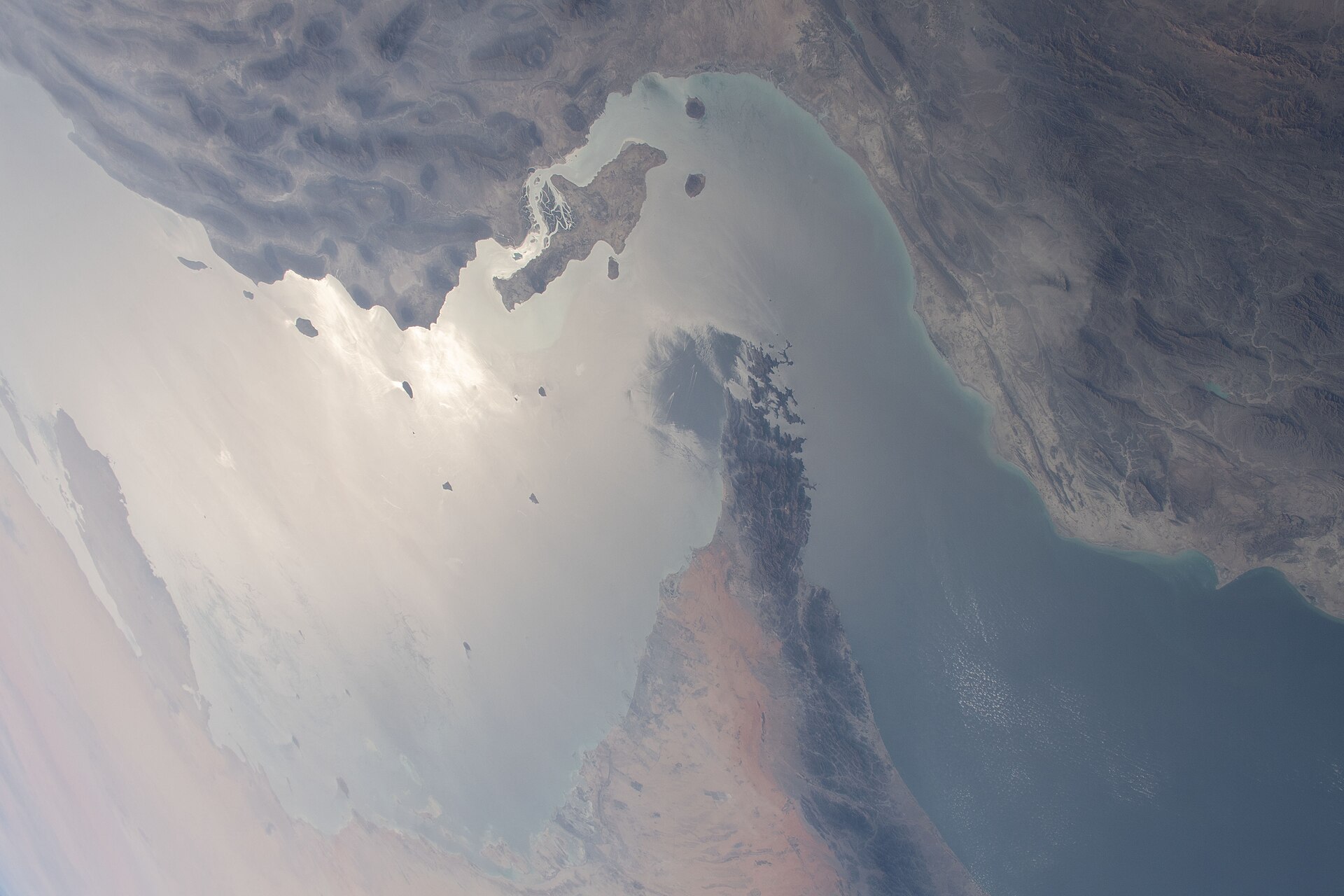
Strait of Hormuz tanker traffic after the Islamabad MoU expired
Kpler counts fell into single-digit daily crossings in mid-August as the 60-day memorandum window closed, tankers were attacked, and a Gulf backlog piled up.
These notes sit beside the live AIS map. They cover tanker traffic at named chokepoints and destination shifts that the map can show in motion but cannot archive. Every figure is taken from a dated, named source.
Kpler counts fell into single-digit daily crossings in mid-August as the 60-day memorandum window closed, tankers were attacked, and a Gulf backlog piled up.
The Gulf’s only sea exit — not BeM, not Suez, not Malacca. EIA owns the peacetime flow print. The pipes are a partial bypass. The live box counts AIS hulls, not barrels per day.
Public AIS maps only plot ships that broadcast. OilRoutes is visible AIS — types 80–89 plus optional 35. Silent ≠ zero. Hormuz 2026 caveats stay on the Hormuz note.
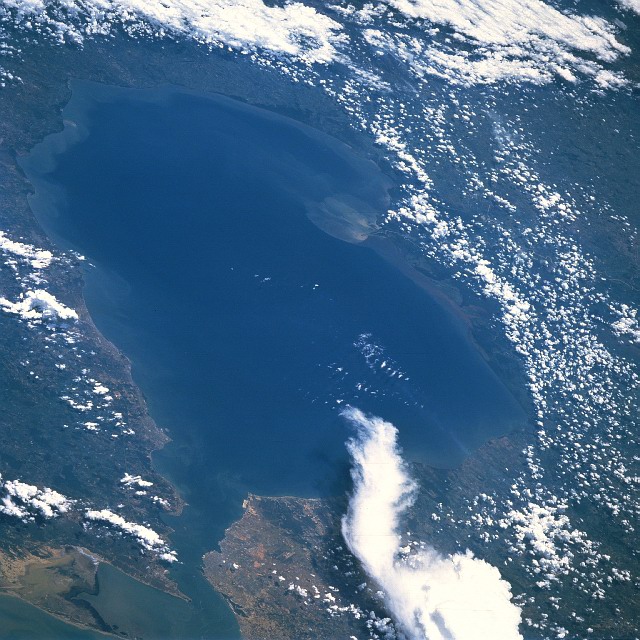
Black Sea’s only wet exit, a water-limited Atlantic–Pacific shortcut, and the Baltic exit envelope — three boxes that count AIS hulls, not barrels per day. Glossary, not three mini-Hormuz hubs.
Canal–pipeline pair — not Hormuz, not Bab el-Mandeb — why laden VLCCs lighten at Ain Sukhna and reload at Sidi Kerir, and why the Suez box counts AIS hulls, not barrels per day.
Asia’s high-volume lane — not Hormuz, not Bab el-Mandeb — EIA volume leadership, Malaccamax as a draft ceiling not an AIS filter, and why the wide box counts hulls, not barrels per day.
Gate of Tears geography — not Hormuz, not Suez — why Yanbu raises this door when the Gulf exit is tight, AIS in-zone ≠ throughput, and the 2026 substitute chain on the Cape note.
Chokepoint to longer voyage to days, bunkers, and fleet tightness — then freight and war-risk — versus a crude risk premium or missing barrels. No invented $/bbl or charter rates.
MMSI, IMO, SOG, status, destination; types 80–89 plus military 35; why chokepoint boxes are not throughput; dark AIS; Demo Mode versus the fail-closed EIA strip.
Brent and WTI as EIA spots, MoM and YoY as a formula, spot versus futures, and why the strip stays on em dashes until the Worker key. No hardcoded dollars.
Attributed DWT ranges from industry explainers — and the honesty rule: OilRoutes filters AIS types 80–89, not deadweight class.
Kpler counts fell into single-digit daily crossings in mid-August as the 60-day memorandum window closed, tankers were attacked, and a Gulf backlog piled up.
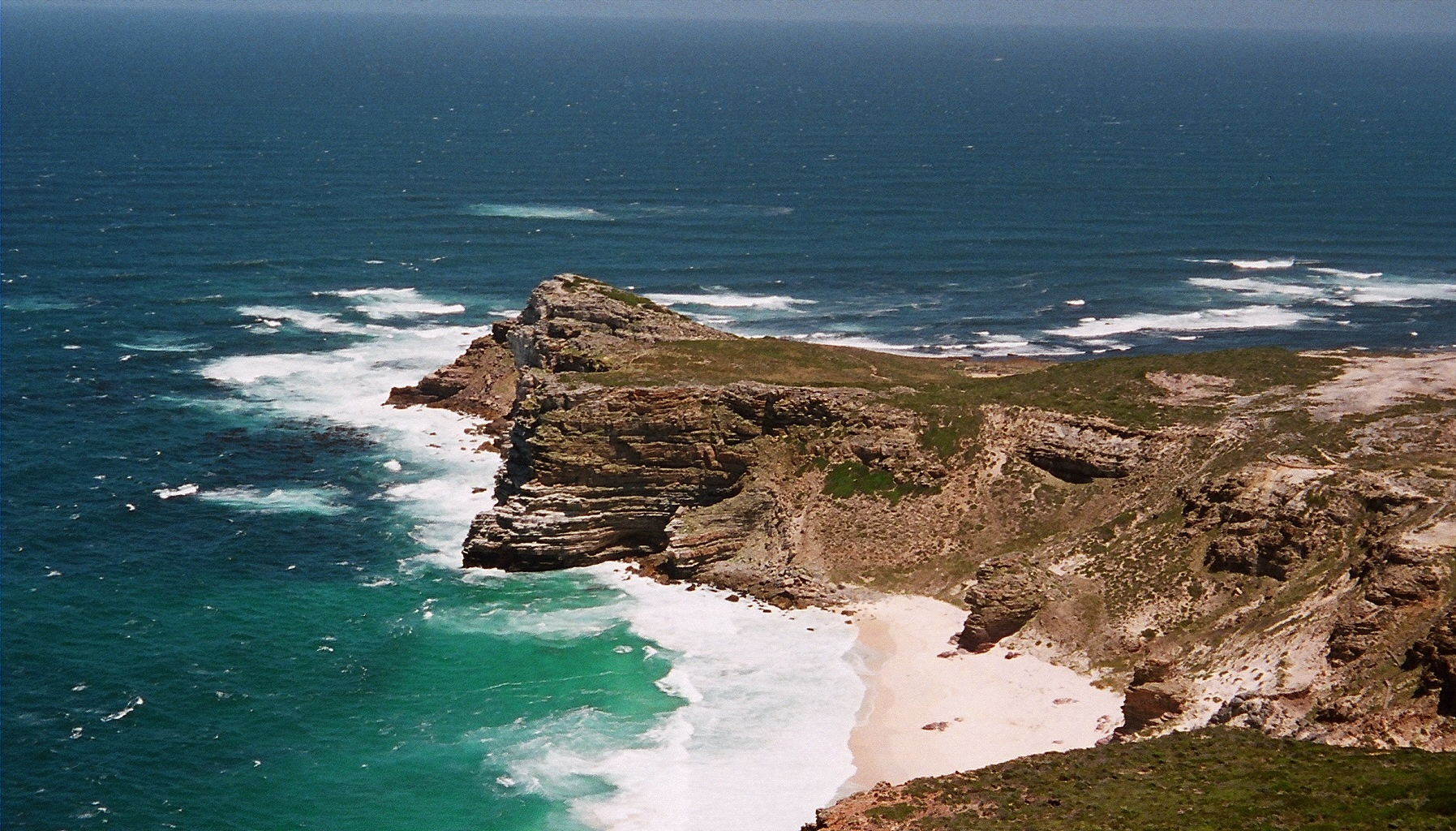
When the Gulf exit is blocked and Bab-el-Mandeb is unsafe for Saudi-linked hulls, tankers burn weeks rounding southern Africa — or take the long Suez–SUMED–Cape detour to Asia.
Reuters put July exports at about 1.16 million barrels a day, with US-bound cargoes at 786,000 bpd — the highest since early 2019 — while China dropped out and India slowed.
Basemap, AIS types, water-mask, optional OSM lanes, and why the EIA strip shows em dashes until the Worker is wired — no invented prices.
What the Hormuz, Suez, Malacca, Bab-el-Mandeb, Turkish Straits, Panama, Danish Straits, and Cape rectangles are — and why in-zone counts are not throughput. See also AIS literacy.